Why Going Viral Isn't a Social Commerce Strategy (and What Works Instead)
Ask a social media marketer what leadership wants, and you'll probably hear some version of the same request. Solo Stove CMO Liz Vanzura named it at Brand Innovators' "From Scroll to Sale" panel, asking, "How many times is your CEO [saying], 'I want this video to go viral'?"
The request makes sense, because with social commerce, people discover a product and buy it in the same scroll. As Motom co-founder Wendy Wildfeuer put it during the panel, "the purchase funnel has completely collapsed, in a good way." When the funnel shrinks to a single moment, a viral video looks like the fastest route to revenue.
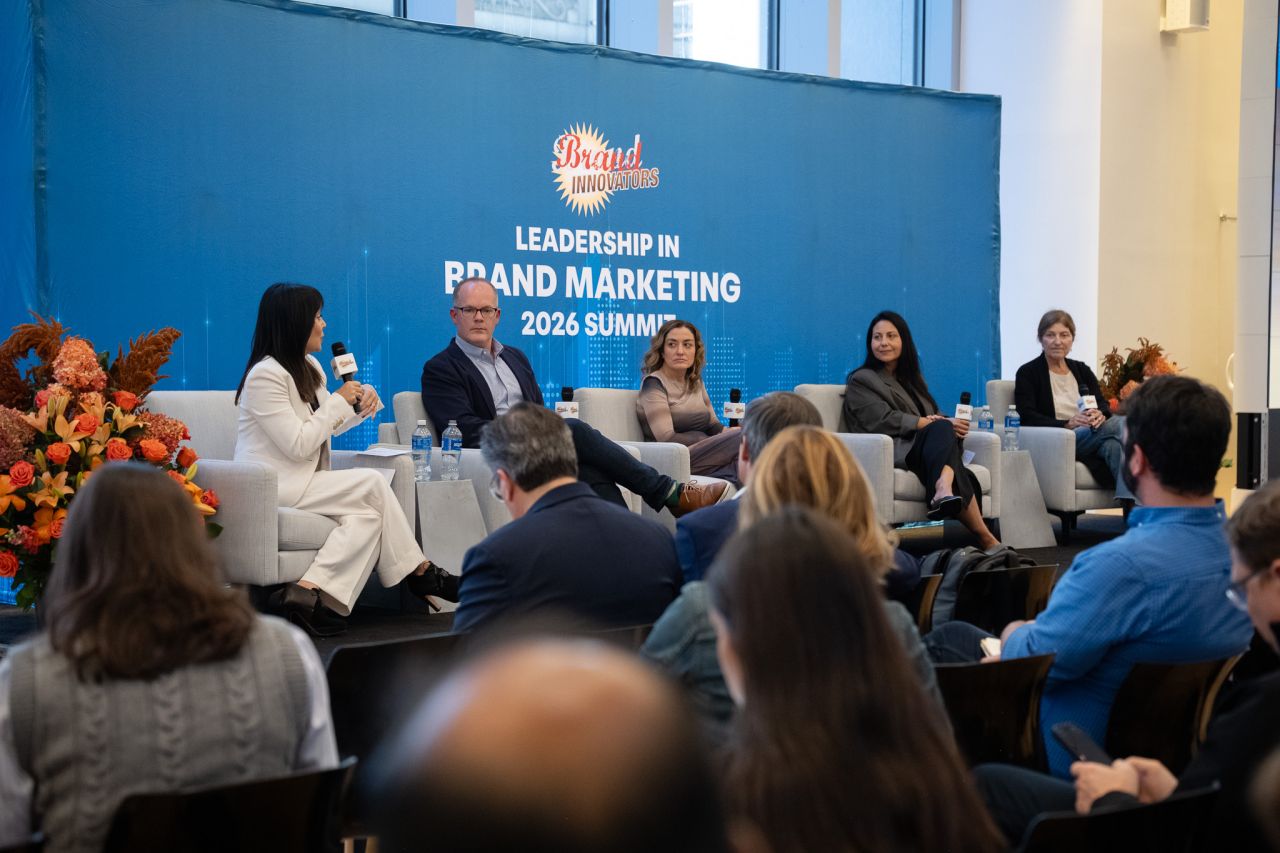
The panelists, marketing leaders from PepsiCo, Movado Group, Solo Stove and AS Beauty, kept arriving at a different conclusion. Virality is unpredictable and rarely pays off by itself. Their teams get steadier returns from creator programs that run week after week, and they treat any viral moment as a bonus to build on.
Viral moments can't be planned, and they can backfire
Sara Mitzner, VP of marketing at AS Beauty, parent company of Laura Geller, put the problem simply: "Virality, even when we do plan for it, it never happens. And when we don't plan for it is when it is."
Her team learned what an unplanned hit can cost. A creator posted organically about a new Laura Geller product the brand had ordered only lightly, and it sold out immediately. Because many of the brand's products are handmade in Italy, the item was then out of stock for nine months. "By the time we got the inventory back in stock, we had completely missed the wave," Mitzner said.
The damage can outlast the lost sales. In an April 2026 survey of 1,000 U.S. adults by operations platform DOSS, 62% said they had switched to a competing brand at least once because of a stockout, and 25% said stockouts damaged their trust in a brand. When DOSS analyzed Reddit posts, beauty and personal care drew the second-highest rate of stockout complaints of any category, just behind fashion.
Solo Stove hit a different version of the problem. Its 2024 Snoop Dogg campaign went viral and drove big awareness, but Vanzura said it didn't necessarily convert to sales, because people couldn't picture what a fire pit would mean in their own backyard. "Really what everyone wants is sales and contribution margin, and they want our products to move longterm," she said.
In both cases, the viral moment was only as valuable as the inventory and follow-up content behind it.
Place many bets, then extend what works
Mike Glaser, who leads commerce marketing at PepsiCo, described the alternative. A single PepsiCo campaign might involve hundreds of creators, because nobody knows which piece of content will land. His advice was to "place many bets, get really good at content generation, and trust that over time the algo will figure out when and who deserves to get a little viral bump."
PepsiCo's Flavor Swap campaign shows the model at work. The company traded fan-favorite flavors among Lay's, Ruffles and Doritos, anchored the launch with IShowSpeed, Madison Beer and Dude Perfect, and backed them with hundreds of smaller creators and affiliates. It launched on TikTok Shop weeks before traditional retail, and Glaser said results beat expectations.
Smaller creators often carry more weight than brands expect. Vanzura said Solo Stove's micro-creators are "doing better than the bigger macro creators, and even better than some of the celebrities." Other marketers report the same. In HubSpot's 2026 State of Marketing report, 32% of marketers named micro-influencers their top-performing creator tier, more than any other group.
When something does take off, the work is keeping it going. A Lacoste bracelet made by Movado Group went viral after a European influencer gave it to her boyfriend as a Gen Z promise ring. Movado sent the bracelet to more creators for follow-up storytelling. "Now that bracelet is really our top seller across the world," said Alicia Reich, who heads digital at Movado Group.
Paid media can stretch a proven video further. AS Beauty pays its best-performing TikTok affiliates an extra fee to run their videos as Meta and Google ads, which Mitzner said gives the brand "an ad that we already know will work." Solo Stove gets up to three to four times more clicks when it runs creator content as paid.
Creators can also reshape how a brand talks about a product. When a creator's video using a Laura Geller blurring primer on crow's feet started to take off, the brand updated its messaging on its website and Amazon to match. Instead of handing creators a script, Mitzner's team now asks how they would use the product.
Tie every program to sales
eMarketer projects U.S. social commerce sales will exceed $100 billion in 2026 and reach nearly $119 billion in 2027. Most of that spending will happen on ordinary days, driven by steady creator content.
The panel's advice was to treat virality as a byproduct of steady work. Wildfeuer closed by telling the audience, "No matter what you're doing, connect it to a commerce outcome." A broad creator program tied to real sales builds the predictability that one viral video can't, and even the tests that miss pay something back. "The failure is really not failure in this space," she said, "because you're still gaining learnings that you can apply to something else."
For social commerce teams, that means planning inventory for sudden spikes, working with a wide bench of creators and measuring every program against sales.
A social commerce strategy that lasts
Going viral can't stand in for a social commerce strategy. A spike depends on timing and on an algorithm no brand controls. A strategy rests on what brands can plan, including steady content from many creators, enough stock to meet sudden demand, follow-up stories when a post takes off and a sales goal for every program. Brands with those pieces in place get more from each viral moment and keep selling between them.